Think your credit card security features have you fully protected from identity theft? Think again.
Many people assume that when their credit card issuer flags a fraudulent charge or sends a replacement card, their personal information is safe. But most credit card protection only covers transactions, not the personal data that can fuel ongoing identity theft.
In 2024, the FTC received over 1.1 million identity theft complaints and 2.6 million additional fraud reports, totaling $12.7 billion in losses.
Behind these numbers? People who believed their financial safeguards were enough—until they weren’t.
Most credit card protection focuses on stopping suspicious purchases, while credit monitoring and identity theft protection go much further, helping protect your credit, reputation, and financial future.
In this guide, we’ll explain what credit card protection covers, what credit monitoring adds, and why identity theft protection offers a more complete defense for your financial wellbeing.
Is Built-In Credit Card Protection Enough?
Most major credit cards offer strong security features like purchase alerts, EMV chips, chargeback assistance, and zero-liability coverage for unauthorized purchases.
These protections are valuable, but they often fall short when you need protection the most. That’s because those features don't detect when your personal information is stolen or misused elsewhere.
Credit card protections are reactive. They’re meant to help you react to fraudulent purchases after they happen. These protections don’t, however, prevent criminals from using your data in other ways—like filing false tax returns or opening new lines of credit.
That’s why understanding the difference between credit card protection, credit monitoring, and identity theft protection is so important.
- Credit card protection guards your transactions.
- Credit monitoring checks activity across your credit reports.
- Identity theft protection helps detect stolen data and unauthorized activity in places where your personal information might appear.
What Credit Card Protection Actually Covers
Credit card fraud protection is designed to protect your money, not necessarily your identity.
That distinction matters now more than ever. A recent study showed that only 8% of fraudulent charges involved lost or stolen physical cards. The rest used stolen personal data and account information accessed remotely.
In other words, the majority of fraud happens quietly, beyond the reach of traditional credit card protections.
Credit card protection focuses on card activity, and your credit card issuer will step in if a transaction looks suspicious or if you report your card lost or stolen.
Scenario: You receive a text alert from your credit card company about a $500 purchase that doesn’t match your usual spending habits. You confirm it wasn’t you, the transaction is canceled, and a new replacement card is sent. You (usually) owe nothing.
That is valuable protection, but that’s also where it ends.
Once the fraudulent charge is reversed and the card is replaced, your card issuer’s job is done. They don’t monitor whether your personal information—like your name, address, or even your Social Security number—is being used elsewhere.
If your data was exposed in a large data breach, that stolen information could be used again and again and might never trigger alerts from your credit card company.
Key takeaway: Credit card protection is a helpful shield, but it only covers one small piece of the identity theft puzzle.
The Threat Beyond Credit Cards
The risk of fraud and theft doesn’t start or stop with credit cards.
Of the 1.1 million identity theft reports filed in 2024, only about 40% were credit card related. The majority of cases involved other forms of personal data misuse, from fraudulent tax filings to fake loan applications.
Once criminals have access to your personal information, they can file fraudulent tax returns in your name, use your Social Security number to claim benefits, or even apply for jobs under your identity.
None of these actions would trigger a credit card alert, because they happen outside of your card issuer’s monitoring systems.
Example Scenario:
- Imagine you’re applying for a car loan and assume your credit is in great shape.
- The lender runs your credit, and you’re shocked to find a significant dip in your credit score.
- You learn after checking your credit report that someone used your personal information to take out a loan months ago. Since they definitely didn’t make a payment, it’s been damaging your credit ever since. Your credit card’s fraud alerts didn’t catch the activity because it wasn’t tied to your card.
That’s why it’s essential to think beyond your wallet.
Your personal information is valuable currency in the digital world—even if you don’t have perfect credit—and without credit and identity monitoring, identity theft can go unnoticed for months or even years.
What Credit Monitoring Adds
Credit monitoring expands visibility beyond credit card transactions. It provides a more comprehensive view of your financial footprint by tracking activity across your credit reports.
Credit monitoring services alert you when something unusual happens, such as:
- A new credit card or loan is opened in your name
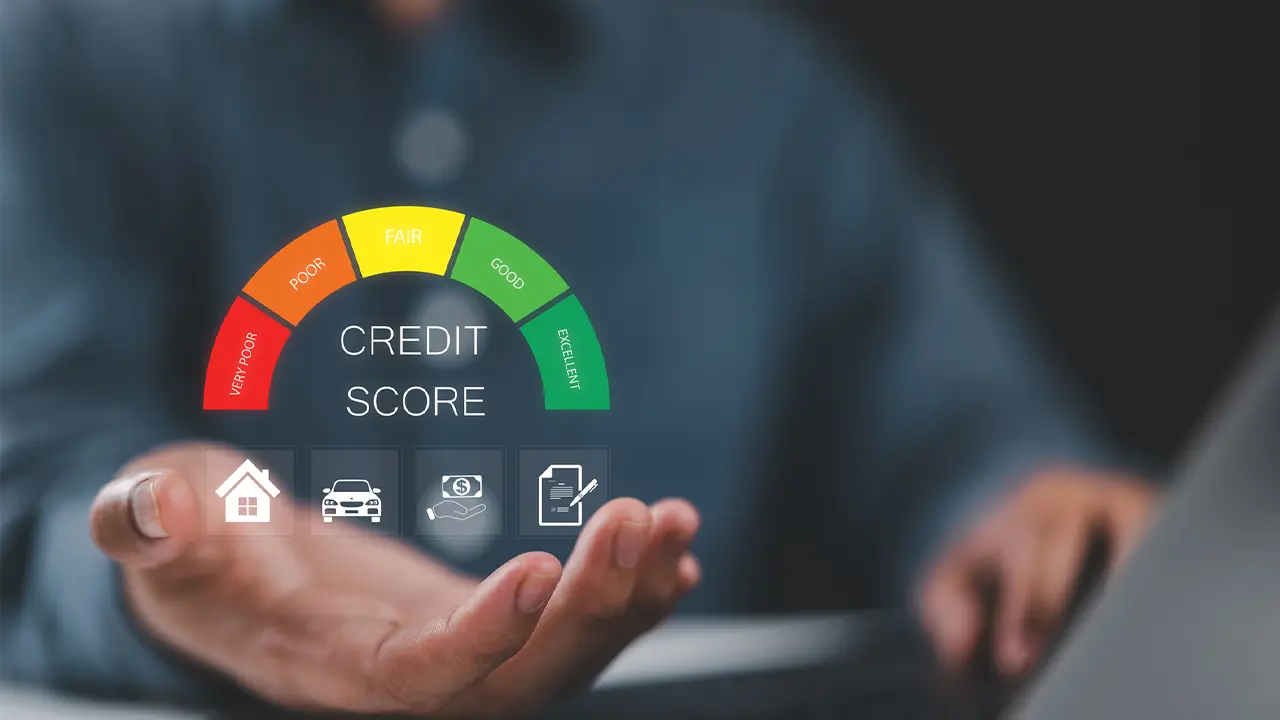
- Your credit score changes unexpectedly
- Hard credit inquiries appear out of the blue
These alerts provide critical early warning signs that something might be wrong. When it comes to fraud and identity theft, the faster you catch it, the easier it can be to limit damage.
However, even with robust credit monitoring services in place, you can still miss vital signs of identity theft. Credit report monitoring shows you where your credit is being used, but not how your information might be exploited elsewhere.
Why Identity Theft Protection Matters
Credit card protection and credit monitoring are both valuable, but neither provides full visibility into how your personal data is used across the web.
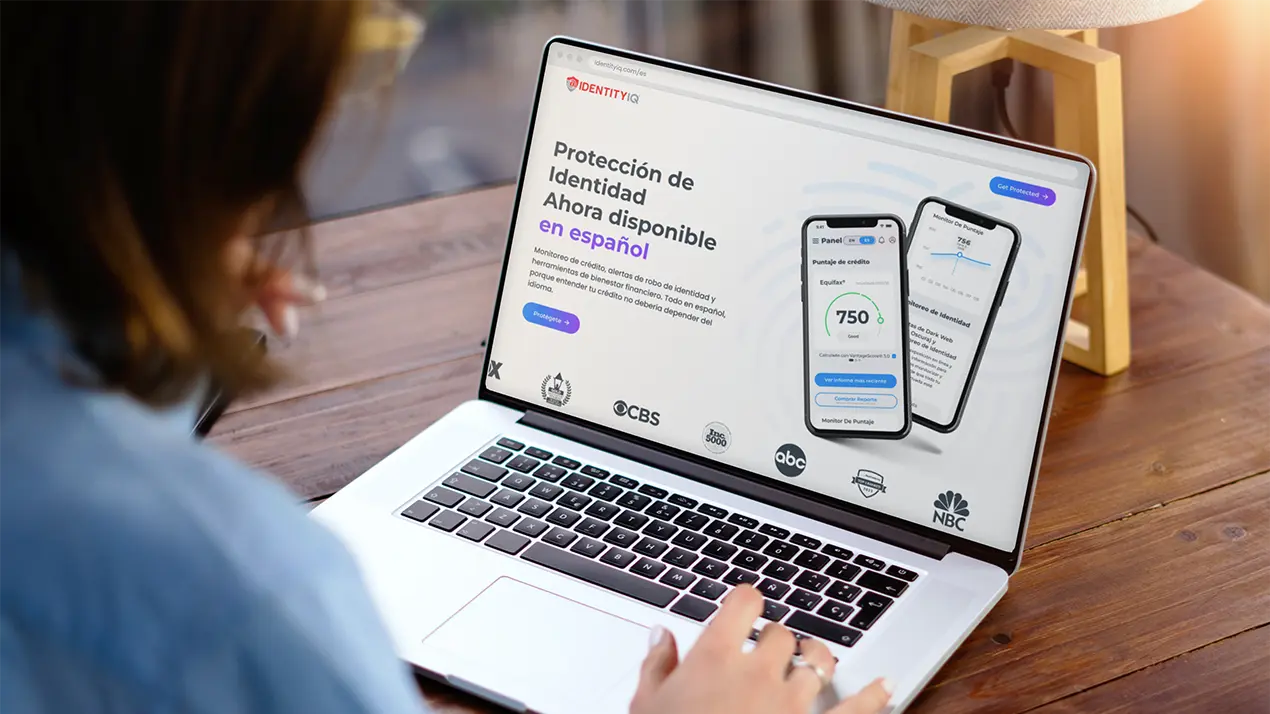
IdentityIQ identity theft protection services include more than just credit monitoring. Our system scans credit reports, public records, and even the dark web for signs that your personal information has been exposed.
Using advanced monitoring technology and a network of more than 250,000 data sources, IdentityIQ helps you identify threats early, so you can take action before they spiral into much larger problems.
This includes surveillance of your Social Security number, financial accounts, and login credentials, alerting you in real time when your data is detected where it shouldn’t be.
And if the worst happens, you won’t face it alone. With IdentityIQ, you get:
- Industry-leading identity monitoring: Active monitoring of your credit reports, financial accounts, and the dark web.
- Identity theft insurance: Up to $1 million4 in coverage to help offset identity restoration costs, including lost wages, legal fees, and other related expenses.
- Fraud restoration support: Access to a dedicated US-based specialist who can help you recover faster.
Protect More Than Your Credit Card With IdentityIQ
Credit card protection features are useful, but they cover only a tiny fraction of today’s identity and financial threats. Protecting your identity is a matter of combining credit card fraud protection and comprehensive identity theft protection.
Go beyond basic credit card alerts. Pair proactive monitoring with real-time identity theft protection to help keep your finances, data, and reputation safer.
Help protect your finances and identity with IdentityIQ today.
Credit Card Fraud Protection vs Identity Theft Protection FAQs
Here are answers to some of the most common questions we receive regarding the difference between your credit card’s fraud protection services and identity theft protection:
What is credit report monitoring and why is it important?
Credit report monitoring helps you track changes to your credit reports, including new accounts, credit inquiries, or changes to your score. Staying on top of these changes can help you spot early signs of identity theft or fraud.
How can I recover if I’ve been a victim of identity theft?
If your identity has been stolen, act fast by contacting your bank and credit bureaus, freezing your credit, filing a police report, and filing a report with the FTC. IdentityIQ also offers tools and support to help you restore your identity and walk you through this process.
How does identity theft affect my credit score?
Fraudulent activity after identity theft can cause serious damage to your credit score by adding fraudulent accounts, missed payments, and high balances to your credit report. Monitoring your credit is one of the best ways to help you catch these issues early so you can take action before more damage occurs.