Quick answer: Yes, driver’s license information can help a criminal impersonate you, create a counterfeit ID, pass some identity verification checks, or make a scam more convincing, especially when combined with a date of birth, address, SSN, or account data. A license number alone does not automatically enable every form of identity theft, but the risk increases significantly with more data.
Do This Now If You Think Your License Information Was Exposed
Before working through the full guide below, take these immediate steps.
- Preserve evidence. Save any suspicious messages, emails, images, receipts, or URLs. Do not delete them.
- Contact the issuing state’s motor vehicle agency. Ask what that state recommends for your specific situation. Procedures vary by state.
- Replace a lost or stolen physical card. Follow your state’s replacement process. Do not assume the old number is automatically invalidated.
- Consider a credit freeze if account fraud is a concern. Freeze your credit at all three bureaus separately to prevent new accounts from being opened in your name.
- Review your credit reports. Check for unfamiliar accounts, inquiries, or address changes at AnnualCreditReport.com.
- Report confirmed identity theft at IdentityTheft.gov. You will receive a personalized recovery plan and an official FTC report you can use with creditors.
Your driver’s license contains personally identifiable information (PII) that criminals can use in a variety of ways. According to the Identity Theft Resource Center, more than 150 million U.S. driver’s licenses were compromised from 2017 to 2021. For this reason, protecting your license information matters.
What Information Can a Driver’s License Expose?
The front of a standard driver’s license typically contains your full name, home address, date of birth, license number, and sometimes your height, weight, and eye color. The back of the card often contains a machine-readable barcode or magnetic strip that encodes much of the same data plus additional state-specific information.
The specific fields, formats, and security features vary by state. The amount of risk from any single exposure depends on what data is visible and what other information a criminal already has.
Risk by Exposure Level
Not every exposure creates the same risk. Here is how to think about your situation based on what was actually seen or taken.
License Number Only
A license number alone gives a criminal one piece of your identity. Combined with your name and state, it can support impersonation attempts or be used on dark web markets. Most institutions require additional verification before accepting a license number as standalone proof of identity.
Photo of the Front
A photo of the front of your license exposes your name, address, date of birth, and license number together. This combination is significantly more useful to a criminal than a number alone and can support fake ID creation, phishing attempts, or account takeover attempts where photo verification is used.
Photo of the Front and Back or Barcode
A photo that captures the back of your license or its machine-readable barcode provides a fuller data set and may be usable with document-scanning software. This level of exposure carries the highest risk of the photo-based scenarios.
Physical License Lost or Stolen
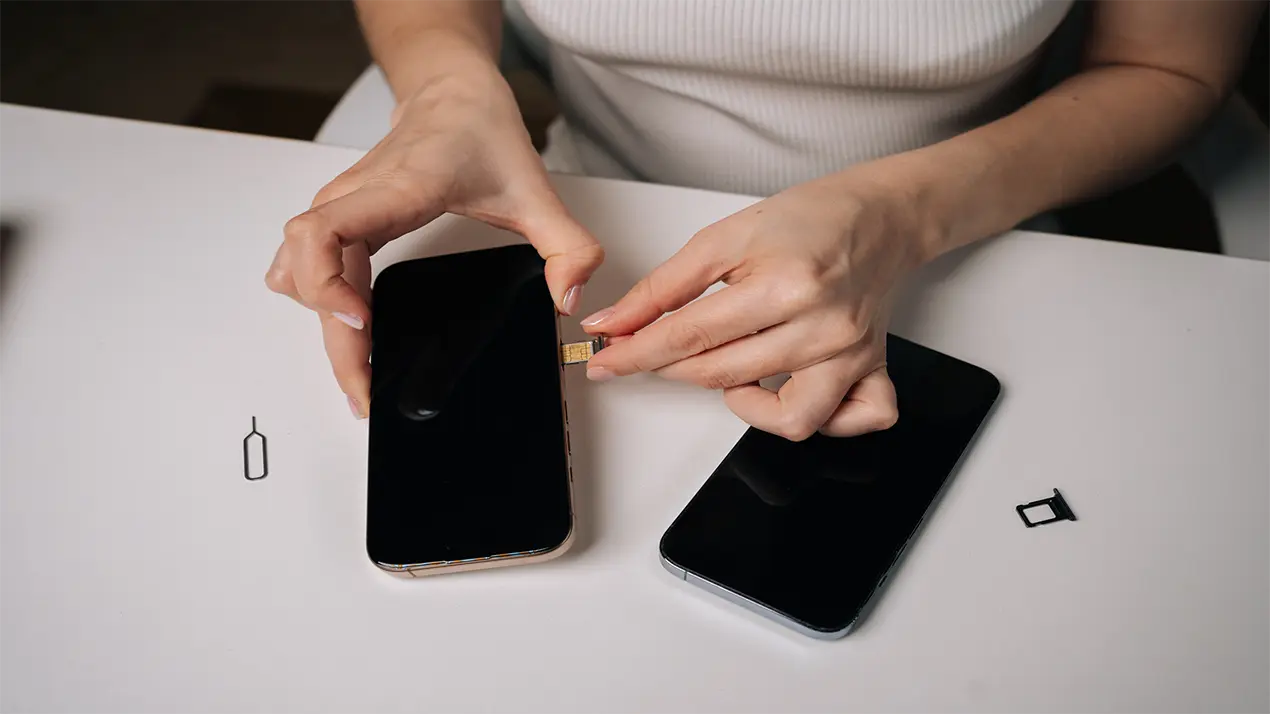
A missing physical card creates the broadest exposure because a criminal has the card itself, which can be used as a physical form of ID. Contact your state’s motor vehicle agency immediately to report the loss and begin the replacement process.
License Data Plus SSN, Login, or Financial Information
The combination of license information with a Social Security number, financial account credentials, or other personal identifiers creates the highest fraud risk. This combination supports impersonation, new account fraud, synthetic identity attempts, and other serious identity theft. Treat this as a confirmed identity theft risk and take the full set of protective steps below.
What Can Someone Do With Your Driver’s License Information?
The ways criminals use license information depend heavily on what other data they have. Here are the most common misuses.
Create or Support a Counterfeit ID
Criminals may use your license information to forge a counterfeit ID with your data and their own photo. This allows them to assume your identity during traffic stops, when evading law enforcement, or when committing other crimes. The result can be a tarnished driving record, erroneous tickets or arrest warrants, and serious legal and financial consequences for you.
Attempt Account Opening, Verification, or Takeover
Some institutions accept a driver’s license as a form of identity verification. If a criminal has enough supporting data alongside your license information, they may attempt to open new accounts, pass identity verification at a financial institution, or take over existing accounts. Most lenders require additional confirmation, so this typically requires multiple identifiers working together.
Sell Your Information on the Dark Web
Criminals who obtain your license information may sell it on the dark web where it can be purchased and used by other bad actors. Dark web markets often bundle multiple identifiers into packages that increase the value and usability of each piece.
Support a Synthetic Identity
Synthetic identity theft combines a real SSN with other fabricated or stolen personal information to create a fictitious but plausible identity. A driver’s license number can support this type of fraud, but building a synthetic identity that can pass financial institution checks typically requires multiple data points including a Social Security number. A license number alone is rarely sufficient.
Make Scams and Social Engineering More Convincing
Even without attempting to open accounts, a criminal who has your license information can craft far more convincing phishing messages, phone scams, or impersonation attempts. They may quote your name, address, or license number to appear credible and pressure you into revealing additional information.
Warning Signs Someone May Be Misusing Your License Information
The signs of driver’s license misuse often do not appear immediately. Here is what to watch for.
- Unfamiliar accounts, inquiries, or credit applications on your credit report
- Identity verification messages, one-time codes, or login alerts you did not request
- Contact from your state DMV or law enforcement about violations, warrants, or activity you do not recognize
- Tickets, traffic violations, or driving record entries that are not yours
- Missing expected mail or an address change you did not request
- Notices from financial institutions or government agencies you do not use
For a broader list of what to look for, see warning signs of identity theft.
What to Do If Someone Has Your Driver’s License Number or Photo
Your next steps depend on how much information was exposed and what evidence you have of misuse. Work through these in order.
Stop Contact and Preserve Evidence
If you shared your license with someone who may be a scammer, stop contact immediately. Save screenshots, message threads, emails, and any other evidence before they can be deleted. Document dates and details.
Contact the Issuing State Motor Vehicle Agency
Contact the motor vehicle agency in the state that issued your license. Using the contact information from your state’s official government website, ask what they recommend for your specific situation. Some states may flag the license number, recommend requesting a new number, or offer additional steps. Procedures vary significantly by state, and no universal process applies to every jurisdiction.
Contact Any Institution That Received the Image or Shows Suspicious Activity
If you sent a license photo to a business and are concerned about how it was handled, contact that business directly. If any financial institution is showing suspicious activity, contact them immediately to report possible fraud and ask about protective steps for your account.
Freeze Your Credit
If new account fraud is a realistic concern, freeze your credit at all three major bureaus separately. Equifax®, Experian®, and TransUnion® each have their own freeze process. A freeze prevents new credit from being opened in your name until you lift it.
Place a Fraud Alert
A fraud alert is a separate tool from a credit freeze. It requires lenders to take extra steps to verify your identity before extending new credit. Contact one major bureau to place the alert and they are required to notify the other two.
Review Your Credit Reports and Financial Accounts
Check your credit reports at AnnualCreditReport.com for unfamiliar accounts, hard inquiries, or address changes. Review your bank and credit card statements for unauthorized transactions. If you find anything suspicious, dispute it with the relevant bureau and the company that reported it.
Report Confirmed Identity Theft
If your identity has been misused, report at IdentityTheft.gov to receive a personalized recovery plan and an official FTC report. You can also call 1-877-438-4338. Keep the report — creditors and agencies may require it. See the identity theft recovery checklist for a complete step-by-step guide.
What to Do If Your Physical Driver’s License Is Lost or Stolen
Losing the physical card carries higher risk because the card itself can be presented as a form of ID. Take these steps.
- Contact your state’s motor vehicle or licensing agency to report the loss and begin the replacement process. Each state sets its own rules for replacement, fees, and whether the number changes.
- File a police report if the license was stolen rather than simply lost. Keep a copy of the report for your records, as you may need it to dispute fraudulent activity.
- Request a copy of your driving record and review it for violations, tickets, or activity you do not recognize.
- Check your credit reports and financial accounts for signs of new account fraud or unusual activity.
- Consider placing a credit freeze or fraud alert if you are concerned about broader identity exposure.
What to Do If Your License Information Has Already Been Misused
If you have already discovered fraudulent use of your license information, the steps below address confirmed misuse.
- Dispute fraudulent accounts. Contact the credit bureau and the institution that opened the account. Provide your FTC identity theft report as supporting documentation.
- Review your official driving record. Contact your state DMV or motor vehicle agency to obtain your driving record and dispute any violations or entries you did not incur.
- Retain all reports and documentation. Keep copies of your police report, FTC report, correspondence with creditors, and any supporting evidence.
- Work through the recovery plan. IdentityTheft.gov provides a tailored recovery checklist based on the type of misuse you experienced.
How to Help Protect Your Driver’s License Information
A few habits can significantly reduce your exposure.
- Share a license image only with verified organizations through their secure, official processes.
- Avoid sending license photos through unverified text messages, email, or social media.
- Disclose only what is required. If a business asks for more than necessary, ask why.
- Store physical copies and digital scans of your license securely and dispose of them properly.
- Monitor your credit reports and financial accounts regularly for unfamiliar activity.
- Consider dark web monitoring to receive alerts if your personal information appears in known breach data.
How IdentityIQ® Can Help
After taking the immediate protective steps above, identity monitoring adds an ongoing layer of protection. IdentityIQ® identity theft protection plans include:
- Identity protection that monitors your credit, SSN, mailing address, and criminal record for signs of fraud
- 3-bureau credit monitoring with alerts when we detect significant changes on your credit reports
- Dark web monitoring that scans for your personal information and sends an alert when we detect possible suspicious activity
- Identity theft insurance underwritten by AIG covering losses and out-of-pocket expenses resulting from identity theft¹
- Identity restoration support with a team of specialists who create a custom response plan if you become a victim
- Antivirus software and VPN to help keep your devices and online activity protected
Ensure your identity is protected no matter who has your personal information. Get started with IdentityIQ today.
Frequently Asked Questions: Driver’s License Identity Theft
Here are answers to common questions about what criminals can do with your driver’s license information and how to respond.
Can someone steal my identity with just my license number?
A license number alone is one piece of your identity and carries limited risk on its own. Most financial institutions require additional verification before accepting a license number as standalone proof of identity. The risk increases significantly when your license number is combined with your name, date of birth, address, or Social Security number.
What if I sent a license photo to a scammer?
Stop contact immediately and preserve all messages and evidence. Contact the issuing state’s motor vehicle agency and ask what they recommend. Consider placing a credit freeze and fraud alert, review your credit reports and financial accounts, and report confirmed identity theft at IdentityTheft.gov.
Should I freeze my credit if my license was stolen?
If you are concerned that your license information could be used to open new accounts, a credit freeze is one of the strongest protective steps available. It prevents new credit from being opened in your name at any of the three major bureaus until you lift it. It is free and can be done online.
Can the DMV change my license number?
Whether a state motor vehicle agency can issue a new license number depends on the state. Not all states allow license number changes. Contact your state’s issuing agency directly and ask what options are available for your situation. Do not assume a universal process applies.
Does a replacement license invalidate the old one?
A replacement license invalidates the physical card that was replaced, but the process for the number itself varies by state. Some states issue new numbers with replacements in certain circumstances; others do not. Check with your state’s motor vehicle agency.
Can someone open an account with just a driver’s license?
Most financial institutions require more than a driver’s license alone to open a new account. A license is typically one component of identity verification alongside a Social Security number, date of birth, and other confirmations. However, license data combined with additional personal information can support fraudulent account opening attempts.
¹ Identity theft insurance underwritten by AIG. Coverage terms, conditions, and exclusions apply. For full details, visit identityiq.com.