If you’re a gamer, your accounts hold more than just your login credentials. They contain payment information, personal data, gaming history, and sometimes years of progress.
That makes gaming accounts valuable targets for cybercriminals, and major platforms have been breached more often than most players realize.
Understanding what a gaming account breach is, how to recognize one, and what to do if your data has been exposed can make a real difference. Sign up for identity protection to stay ahead of possible threats to your personal information.
What Is a Gaming Account Breach?
A gaming account breach happens when unauthorized individuals gain access to a gaming platform’s systems and steal user data. This data can include usernames, email addresses, passwords, payment card information, dates of birth, and more. Once criminals have this information, they can use it to take over accounts, commit fraud, or sell the data on the dark web.
Unlike a hack where someone accesses only your individual account, a platform breach exposes data for thousands or even millions of users at once. Even if your own login credentials are strong, you can still be affected if the platform itself is compromised.
Top Gaming Breaches in Recent Years
Gaming platforms have been repeat targets for cybercriminals. Here is a look at some of the most significant breaches in recent years and what data was exposed.
2021: Twitch
Twitch confirmed a major data breach in October 2021 in which an anonymous hacker posted 125 gigabytes of stolen data to the 4chan forum, including the platform’s source code and creator payout records going back three years.
According to NPR, Twitch confirmed the breach and said its teams were “working with urgency to understand the extent of this.” Twitch said passwords, login credentials, full credit card numbers, and bank details were not accessed.
2022: Activision
In December 2022, hackers successfully phished an Activision employee via SMS, gaining access to internal systems. The breach exposed employee data including full names, phone numbers, and corporate email addresses. According to TechCrunch, Activision did not notify its own employees of the breach for months. The company stated no sensitive player data was accessed, though cybersecurity researchers disputed that claim.
2023: Riot Games
In January 2023, Riot Games disclosed that hackers had accessed its development environment and stolen source code for League of Legends, Teamfight Tactics, and the company’s legacy anti-cheat system. Riot confirmed that no player data or personal information was compromised.
The company said it received a ransom demand and confirmed it would not pay. The incident raised concerns about the potential use of stolen source code to develop cheating software.
2024: Internet Archive
In October 2024, the Internet Archive suffered a data breach exposing the personal information of 31 million registered users. According to NPR, the breach exposed email addresses, screen names, and bcryept-hashed passwords. While the Internet Archive is not a gaming platform, it is widely used by gamers to access archived gaming content and software. The organization temporarily took down its services and confirmed its archival content was safe.
2024: Roblox Developer Conference
In 2024, a vendor used by Roblox to manage its Developer Conference registration list suffered unauthorized access. The exposed data included names, email addresses, and IP addresses of approximately 10,000 developers and conference attendees from 2022 to 2024.
Roblox confirmed the breach was limited to conference registration data and did not affect the broader Roblox player account base. However, the incident highlighted the risk that third-party vendors create for gaming platforms of all sizes.
2026: Steam and Valve
In August 2026, Valve confirmed that CEVA Logistics, its third-party shipping partner for Steam hardware in Europe, suffered a cyberattack between July 29 and August 1, 2026. According to Help Net Security, exposed data included names, street addresses, phone numbers, and email addresses linked to Steam accounts.
Valve confirmed that Steam passwords, payment details, and Steam Guard codes were not accessed. The breach affected European customers who had purchased Steam hardware within the preceding 90 days, not the broader global Steam user base.
How to Tell If Your Gaming Account Has Been Compromised
Not every breach comes with an immediate notification. Here are the warning signs that your gaming account data may have been exposed.
- You receive a password reset email you did not request. This is one of the clearest signs that someone is trying to access your account.
- Your login credentials no longer work. If a criminal has already changed your password, you will be locked out of your own account.
- You see purchases or transactions you did not make. Unauthorized charges on a linked payment method are a major red flag.
- Friends report unusual messages from your account. Criminals often use compromised accounts to send phishing messages to your contact list.
- Your in game inventory or currency is missing. Valuable in game items and currency are frequently targeted and sold
- You receive an official breach notification. Gaming companies are legally required to notify users of confirmed breaches. Take these seriously and act immediately.
- Your personal information appears on the dark web. Dark web monitoring can alert you when your email address, username, or other data appears on criminal forums.
What to Do If Your Gaming Account Has Been Compromised
Acting quickly can limit the damage if your gaming account data has been exposed. Here are the immediate steps to take.
Check Your Gaming Account
Log into your gaming account and review recent activity. Check for purchases you did not make, changes to your profile, messages sent from your account, and any connected apps or devices you do not recognize. If you cannot log in, use the platform’s account recovery process to regain access.
Change Your Password
Update your password immediately using a strong, unique combination that you do not use for any other account. Enable two factor authentication if you have not already. This adds a second layer of security that makes it significantly harder for criminals to access your account even if they have your password.
Monitor Your Credit and Identity
If your payment information or personal data was exposed, monitor your credit reports and financial accounts for unusual activity. Look for new accounts, hard inquiries, or charges you did not authorize. The sooner you spot fraudulent activity, the easier it is to resolve.
Use Identity Protection Services
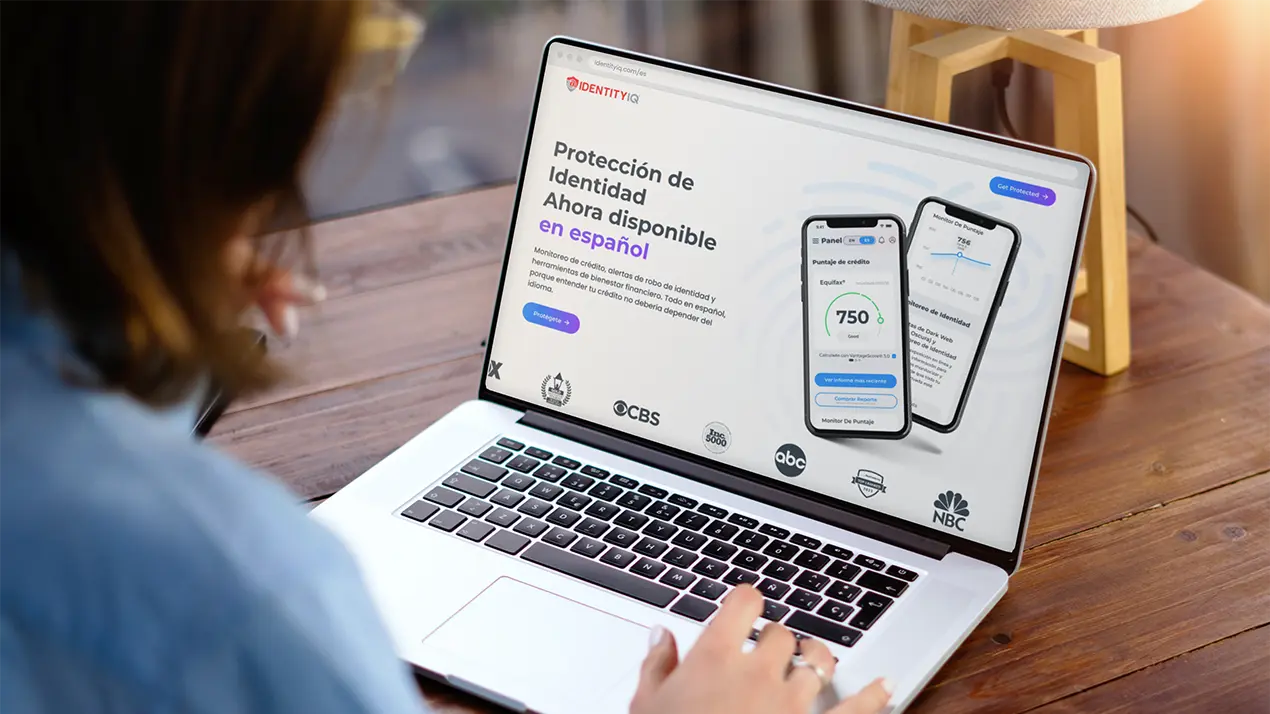
Signing up for an IdentityIQ plan gives you access to credit monitoring, dark web scanning, and real time alerts when we detect possible suspicious activity tied to your personal information. IdentityIQ dark web monitoring scans criminal forums for your data so you know quickly if your information is being traded or sold.
How IdentityIQ® Helps Gamers Stay Protected
Gaming account breaches are part of a broader identity threat landscape. IdentityIQ® provides the tools you need to help protect yourself before, during, and after a breach.
- Credit monitoring: Tracks your credit reports across all three major bureaus and sends an alert when we detect significant changes.
- Dark web monitoring: Scans dark web forums and databases for your personal information, including gaming usernames and email addresses linked to your accounts.
- Identity theft insurance: Provides coverage underwritten by AIG to help cover costs associated with identity theft recovery.
- Identity restoration support: Gives you access to U.S.-based specialists who can help you navigate the recovery process if your identity is stolen.
- Antivirus protection: Bitdefender® antivirus software is included with IdentityIQ plans to help protect your devices from malware and other threats.
Ready to help protect your gaming accounts and personal information? Enroll in IdentityIQ today.
Gaming Account Breaches FAQ
Here are answers to the most common questions about gaming account breaches, what data is at risk, and how to help protect yourself:
What should I do if my gaming account is breached?
Change your password immediately, enable two factor authentication, check for unauthorized purchases, and notify the platform’s support team. Monitor your credit and financial accounts for unusual activity and consider enrolling in identity protection to receive alerts if your personal information is found on the dark web.
Can a gaming account breach lead to identity theft?
Yes. Gaming accounts often contain email addresses, dates of birth, and payment information that criminals can use to commit identity theft. If a breach exposes this data, criminals may attempt to open fraudulent accounts or make unauthorized purchases in your name.
How do I know if my gaming account information is on the dark web?
Dark web monitoring services scan criminal forums and marketplaces for your personal information. IdentityIQ dark web monitoring alerts you when your data, including email addresses and usernames linked to your gaming accounts, is detected on the dark web.
Does two factor authentication prevent gaming account breaches?
Two factor authentication significantly reduces the risk of unauthorized account access even if your password is exposed in a breach. It requires a second verification step, making it much harder for criminals to take over your account. However, it does not prevent the platform itself from being breached.
Are gaming accounts really worth hacking?
Yes. Gaming accounts contain payment information, in game assets, and personal data that have real value to criminals. Rare in game items, game currency, and stored credit card details can all be sold or exploited. High level accounts are also sold on secondary markets for profit