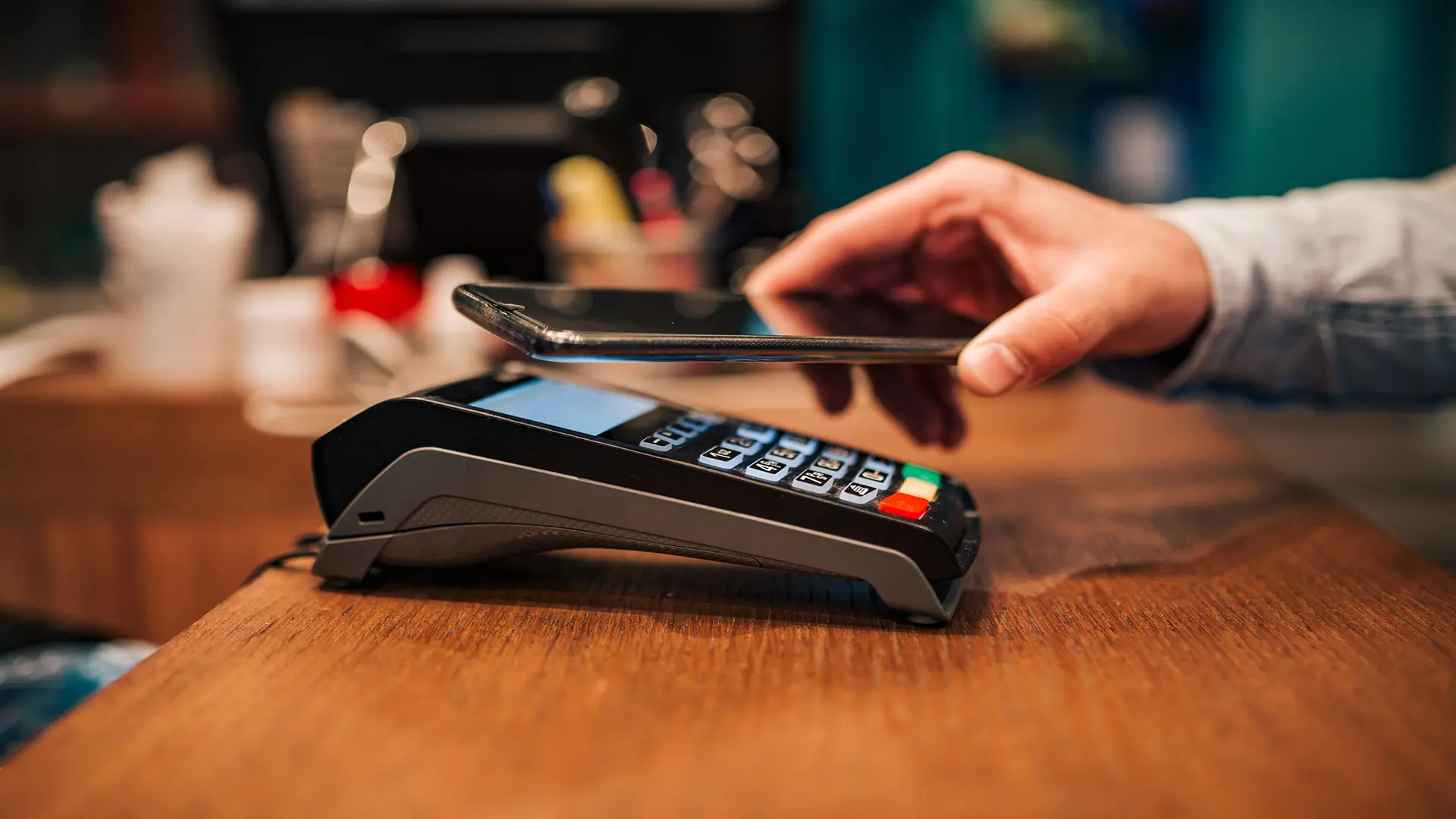
Tap-to-pay is a popular and convenient way to make payments. You can use them at grocery stores, coffee shops, gas stations, and many other places.
Instead of swiping your card, you just tap it or hold your phone close to the payment terminal.
This method is quick and easy, but it can also attract scammers.
In a ghost tapping scam, criminals can charge your card without you knowing. This can happen while your card or phone is still in your wallet or pocket.
Sometimes, scammers trick people into tapping their card on a fake or misleading payment device.
Many victims do not notice the fraud right away.
They often find out later when they check their bank or credit card statements.
Learning how this scam works can help you keep your money and personal information safe.
What Is a Ghost Tapping Scam?
A ghost tapping scam is a type of contactless payment fraud. It targets credit cards, debit cards, and digital wallets that allow tap-to-pay payments.
According to the Square, NFC is a short-range wireless technology used for many contactless payments.
Tap-to-pay works using wireless technology called near-field communication (NFC). NFC allows devices to share information when they are very close together.
When you tap your card or phone near a payment terminal, the devices communicate and complete the transaction.
The system is designed to be secure. However, scammers sometimes try to take advantage of how quickly contactless payments work.
Because the payment happens in seconds, victims may not realize that a charge was made.
Why Tap-to-Pay Payments Are So Popular
Before understanding the ghost tapping scam, it helps to know why tap-to-pay payments have become so popular.
Many people prefer contactless payments because they are:
- Fast
- Easy to use
- Accepted in many stores
- Often available through smartphones and smartwatches
Tap-to-pay also became more common during the COVID-19 pandemic because it allows people to pay without touching a payment terminal.
Today, millions of people use tap-to-pay cards and mobile wallets every day.
While these systems are generally safe, criminals sometimes try to exploit them through tap-to-pay scams or other forms of payment fraud.
Related: Payment App Scams: How to Avoid Them & What to Do If You Get Scammed
How a Ghost Tapping Scam Works
A ghost tapping scam can happen in several ways. Scammers often look for situations where people are distracted or in crowded areas.
Hidden payment devices
Some scammers carry small wireless payment readers. If they get close enough to someone’s wallet or phone, they may attempt to trigger a tap-to-pay charge.
This type of NFC payment scam is more likely to happen in crowded locations, such as:
- Festivals
- Public transportation
- Busy shopping areas
- Sporting events
In these environments, people may not notice when someone moves close to them.
Consumer protection experts warn that small contactless readers can process payments quickly if a compatible card is nearby.
Fake vendors or donation requests
Another version of the tap-to-pay scam involves someone pretending to sell something or collect donations for a charity.
For example, a scammer might approach people on the street or at an event and ask for a small payment.
They may show a payment device and ask you to tap your card or phone. However, the device could charge a higher amount than expected.
Because the payment happens quickly, some victims do not notice the amount until later.
Small “test” charges
Some scammers start with small transactions first. These are sometimes called test charges.
Small charges may go unnoticed or may not trigger a bank’s fraud alert system.
If the transaction works, the scammer may attempt additional charges later.
The Federal Trade Commission recommends reviewing account activity regularly to detect unauthorized transactions.
Warning Signs of a Ghost Tapping Scam
A ghost tapping scam can be difficult to detect right away. However, there are warning signs that may help you spot suspicious activity.
You may want to check your accounts if you notice:
- Small charges you don’t recognize
- Payment alerts when you didn’t make a purchase
- Someone rushing you to tap your card quickly
- Being asked to tap your card without seeing the payment amount first
- Unexpected transactions after visiting crowded places
If you notice any of these signs, review your account activity as soon as possible.
Related: Fake CAPTCHA Scam: What It Is and How to Protect Yourself
How to Protect Yourself from a Tap-to-Pay Scam
Tap-to-pay technology is designed with security features, and most transactions are safe. However, a few simple habits can help reduce your risk of a tap-to-pay scam.
Check the payment amount
Before tapping your card or phone, always check the payment screen. Make sure the amount shown matches what you expect to pay.
Turn on transaction alerts
Many banks and credit card companies offer alerts when your card is used. These alerts can help you detect suspicious activity quickly.
Related: How Does a Fraud Alert Help Protect You?
Stay aware in crowded places
Busy environments can make it easier for scammers to get close to people.
Keeping your wallet or phone secure in crowded areas may help reduce the risk of contactless payment fraud.
Monitor your accounts often
Checking your bank and credit card statements regularly can help you catch suspicious charges early.
Consider RFID-blocking wallets
Some wallets are designed to block wireless signals that could scan payment cards.
The National Institute of Standards and Technology encourages consumers to use protective tools and monitor financial accounts as part of good cybersecurity practices.
What to Do If You’re Targeted by a Ghost Tapping Scam
If you believe you’ve been affected by a ghost tapping scam, it’s important to act quickly.
Here are some steps you can take:
- Contact your bank or credit card provider right away
- Freeze or replace the affected card
- Review your recent transactions carefully
- Change passwords if your financial accounts may be at risk
- Report the fraud to the Federal Trade Commission
For thoses affected by fraud, IdentityIQ’s fraud restoration team is available for members and non-members at 877-875-4347.
Acting quickly may help prevent additional charges and limit financial loss.
Related: How to Avoid Peer To Peer Payment App Scams? 4 Tips You Can Do Right Now
Stay Ahead of New Payment Scams
Scammers are always finding new ways to target everyday technology. The ghost tapping scam is one example of how criminals try to take advantage of tap-to-pay payments.
The good news is that simple habits like checking payment amounts, turning on transaction alerts, and reviewing your accounts often can help you spot suspicious activity early.
Staying informed is one of the best ways to protect yourself.
With IdentityIQ’s identity theft protection and credit monitoring, you can add another layer of defense to help detect fraud and protect your financial information before it becomes a bigger problem.